
I am not someone who speaks out easily. I am, by nature, a quiet person. But I am deeply grateful for the opportunity to share my mother’s story, because what happened during the Covid-19 pandemic must not be forgotten. We cannot allow what happened to our most helpless to happen again.
The Covid-19 pandemic exposed deep vulnerabilities in our systems of care, particularly for those living in long-term care facilities. Personal stories are essential to understanding the human cost. This is my family’s story.
When Covid-19 reached Texas in March 2020, my mother, Francine, was living in an assisted-living facility. Almost overnight, the doors closed to everyone except essential staff and hospice workers. Residents were confined to their rooms, cut off from family. I called my mother every day. She cried and repeated the same thing: she just wanted to hug someone, but hugs were not allowed. Over time, the prolonged isolation seemed to break her heart and slowly erode her will to live. Her tears broke my heart, and knowing that so many other families were enduring the same helpless grief only deepened it.
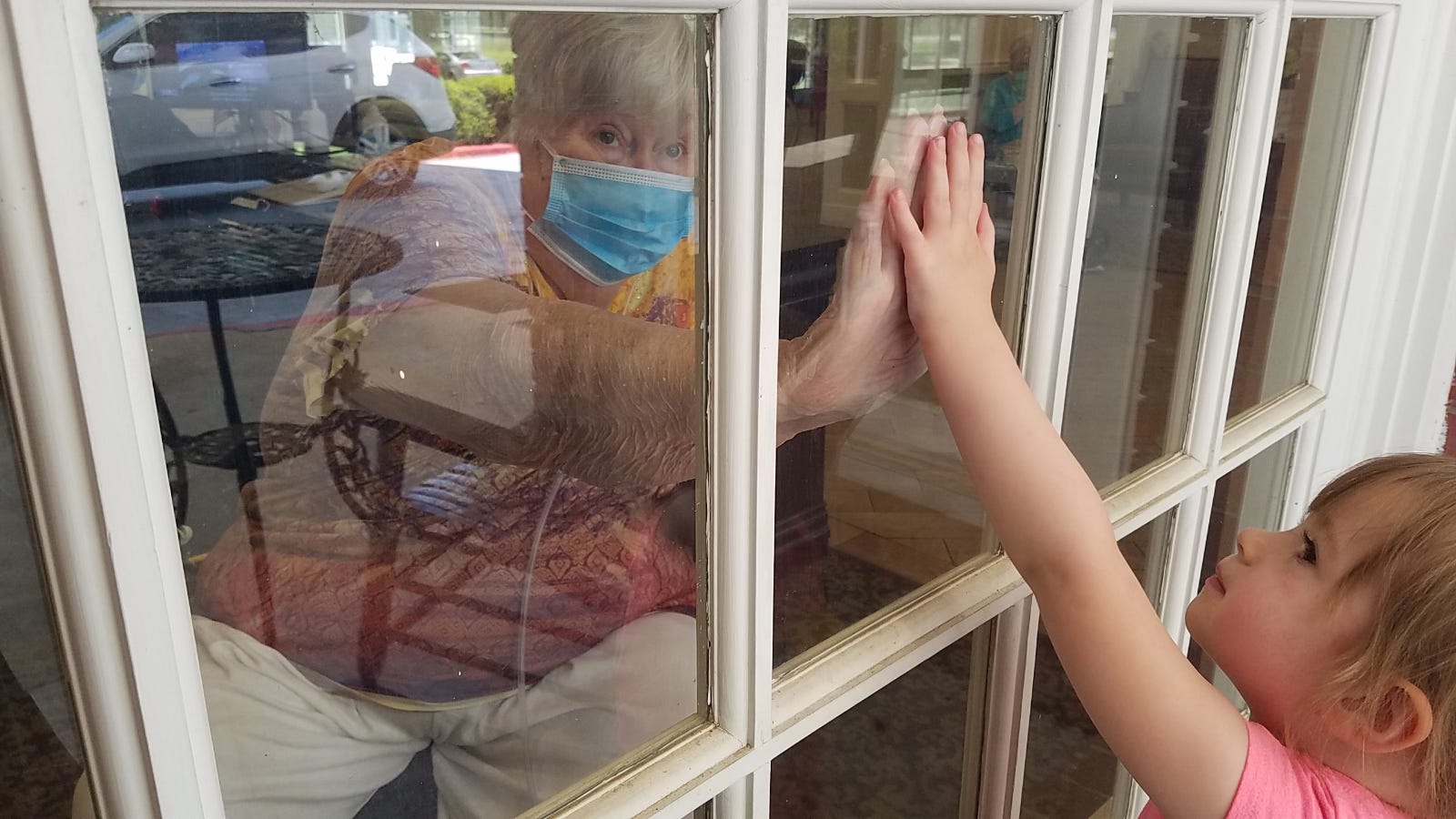
During this time, I discovered a grassroots Facebook group called Texas Caregivers for Compromise. I became actively involved as the group worked to change state policy to require long-term care facilities to allow two designated essential caregivers, to include immediate family, access to their loved ones. The group grew quickly and mobilized through letter-writing campaigns, yard signs, and direct advocacy. In November 2020, the Texas Essential Caregiver Act was passed and signed into law.
My brother and I completed the required steps to become designated essential caregivers, which allowed us limited access to our mother. The restrictions were still significant, but being present with her, even briefly, made a small difference. Our reunion with her on September 25 was filled with joy and tears, and a profound sense of relief that we were finally together again after months of separation.
Then in early December, my mother fell and hit her head. Protocols at the facility she was at kept her largely isolated, with contact still limited and carefully controlled. She refused further medical treatment and told us she was ready to “go home” to join her family in heaven. After that tragic fall, my mother was never the same.
As hospice care began, the limitations on access made everything more difficult. Our mother increasingly refused to eat, drink, or get out of bed, and eventually she became unable to answer her phone. In her final week, she became delirious—often loud, restless, and vocal in ways that were completely unlike her. Witnessing her suffering under those conditions was profoundly distressing for our family and remains the most stressful and heartbreaking experience we have ever endured. With visits so restricted, advocating for her comfort, care, and wishes became incredibly difficult at a time when she was least able to speak for herself. She declined steadily, and died on December 28, 2020.
Earlier that August, my daughter had given birth to her first child. He was my mother’s second great-grandchild. My mother longed to hold him but never had the opportunity. In the end, she finally did, in a way—when we gently slipped his photograph between her folded hands and her body. She could, at last, embrace him.
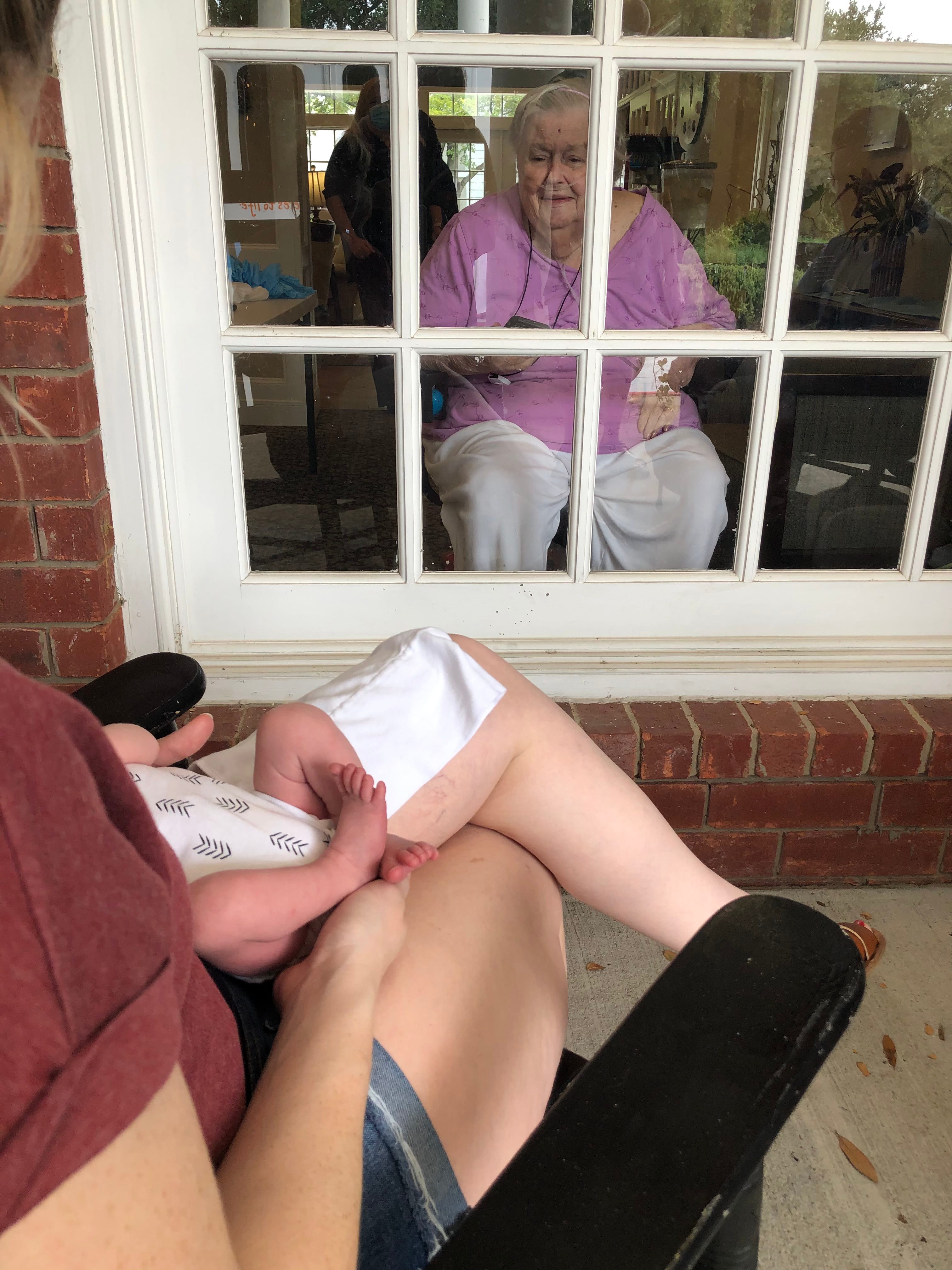
I remain deeply grateful to Texas Caregivers for Compromise and to Mary Batchellor Nichols, who led the effort to pass the Essential Caregiver Act. The group continues to watch policy, and work to advocate for those living in long-term care facilities.
Too, too heartbreaking and sad. Cruelty and callousness in the name of compassion and community - what an inhumane load of bs. I’m so sorry for your loss, Brenda, and that you had to endure the agony of watching your mother’s decline; that would have been hard enough in normal circumstances, but that extra layer of enforced, institutionalized separation at the end of a life was despicable. Kudos to you for being proactive and changing the laws. I hope that Francine is now in a happier place and you and your family can heal.
There are so many of these stories. We have to ensure this can never happen again.